
We've all heard the advice since childhood, eat your vegetables. But this simple habit can have a profound impact on your overall health.
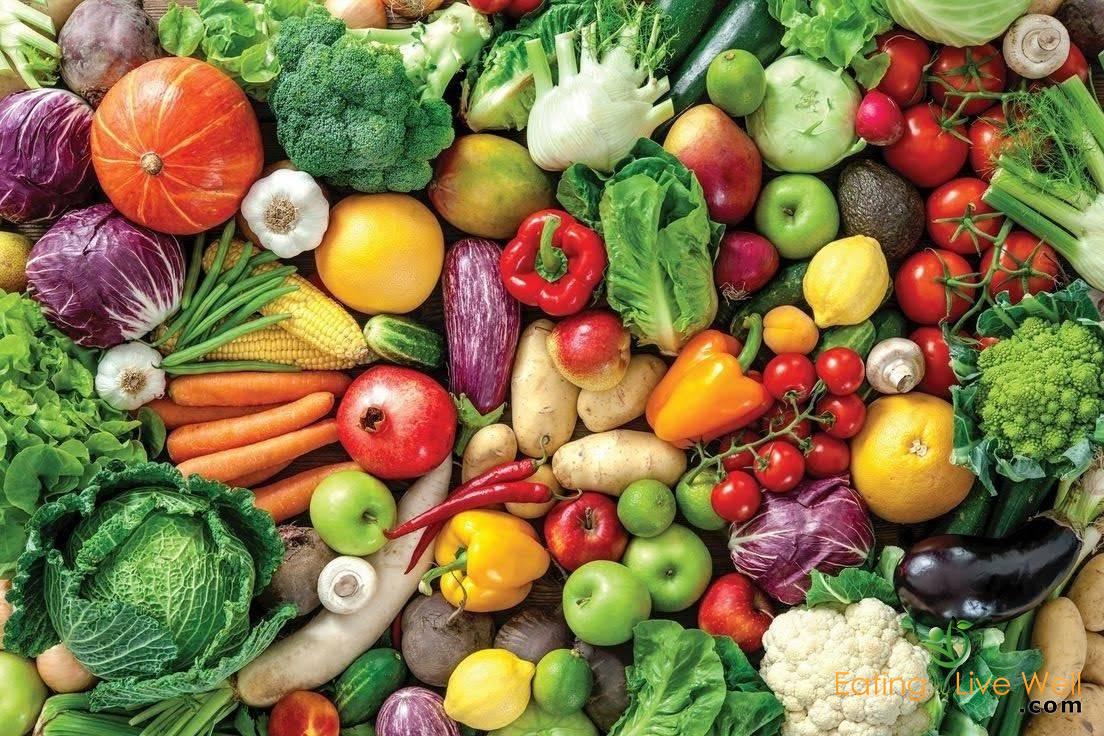
Vegetables are packed with vitamins, minerals, fiber, antioxidants, and plant compounds that support nearly every system in the body. Yet many people still don't eat the recommended daily amount, which is typically 2–4 cups per day depending on age and sex.
Adding more vegetables to your meals is one of the simplest ways to improve your health. Here are 10 science-backed benefits of eating more vegetables.
Chronic inflammation is linked to many health conditions, including heart disease and metabolic disorders.
Vegetables contain antioxidants and phytochemicals that help combat inflammation and protect your cells from damage.
Leafy greens, colorful peppers, and cruciferous vegetables like broccoli are particularly rich in these protective compounds.
High blood pressure affects millions of people and is a major risk factor for heart disease.
Many vegetables are rich in potassium, a mineral that helps balance sodium levels in the body and supports healthy blood pressure.
Potassium-rich vegetables include:
Most people don't get enough fiber in their diet, yet fiber is essential for digestive health.
Vegetables provide dietary fiber, which helps:
High-fiber vegetables include artichokes, peas, and sweet potatoes.
Spending long hours on screens can strain the eyes, but certain nutrients found in vegetables can help.
Vegetables like spinach, corn, and red peppers contain lutein and zeaxanthin, carotenoids that help protect against age-related vision decline.
These compounds support eye health by helping protect the retina from oxidative damage.
Healthy skin isn't just about skincare products, nutrition matters too.
Vegetables provide key nutrients that help maintain skin elasticity and hydration. For example:
A diet rich in colorful vegetables can help promote brighter, healthier skin.
Heart disease remains one of the leading causes of death worldwide.
Vegetables support heart health by providing nutrients like potassium, fiber, and antioxidants that help lower blood pressure, reduce inflammation, and support healthy cholesterol levels.
Eating a variety of vegetables can also help maintain a healthy weight, which further protects the heart.
Vegetables are naturally low in calories and high in fiber, which makes them ideal for blood sugar balance.
The fiber slows digestion and helps prevent large spikes in blood sugar after meals.
Adding vegetables to meals, such as peppers in tacos or cauliflower in stir-fries, can help increase fullness and improve blood sugar control.
While no single food can prevent cancer, vegetables contain compounds that may help reduce risk.
Cruciferous vegetables like:
contain plant compounds such as sulforaphane, which may help protect cells from damage that can lead to cancer.
Eating a variety of vegetables provides a wide range of protective nutrients.
Certain vegetables, particularly leafy greens, are associated with better cognitive health.
Vegetables are included in dietary patterns like the MIND diet, which researchers developed to help support brain health and reduce the risk of dementia.
Nutrients such as antioxidants and folate help protect brain cells and support cognitive function.
Your immune system relies on nutrients from whole foods to function properly.
Many vegetables provide vitamin C, vitamin A, and antioxidants, which support immune defenses and help your body fight infection.
For example, broccoli and bell peppers contain high levels of vitamin C that help maintain a strong immune response.
Vegetables are one of the most powerful tools for improving long-term health. From supporting heart health and digestion to protecting the brain and immune system, the benefits of eating more vegetables are extensive.
The key is variety. Different colors and types of vegetables provide different nutrients, so aim to include a mix of leafy greens, cruciferous vegetables, root vegetables, and colorful produce in your meals.
Even small changes, like adding a serving of vegetables to each meal, can make a meaningful difference in your overall health.