
Whether you’re managing blood sugar, trying a low-carb lifestyle, or just hoping to eat more veggies without adding lots of carbs, choosing the right vegetables can make a big difference. Vegetables are packed with fiber, vitamins, minerals and plant compounds, and some types are naturally lower in carbohydrates than others.
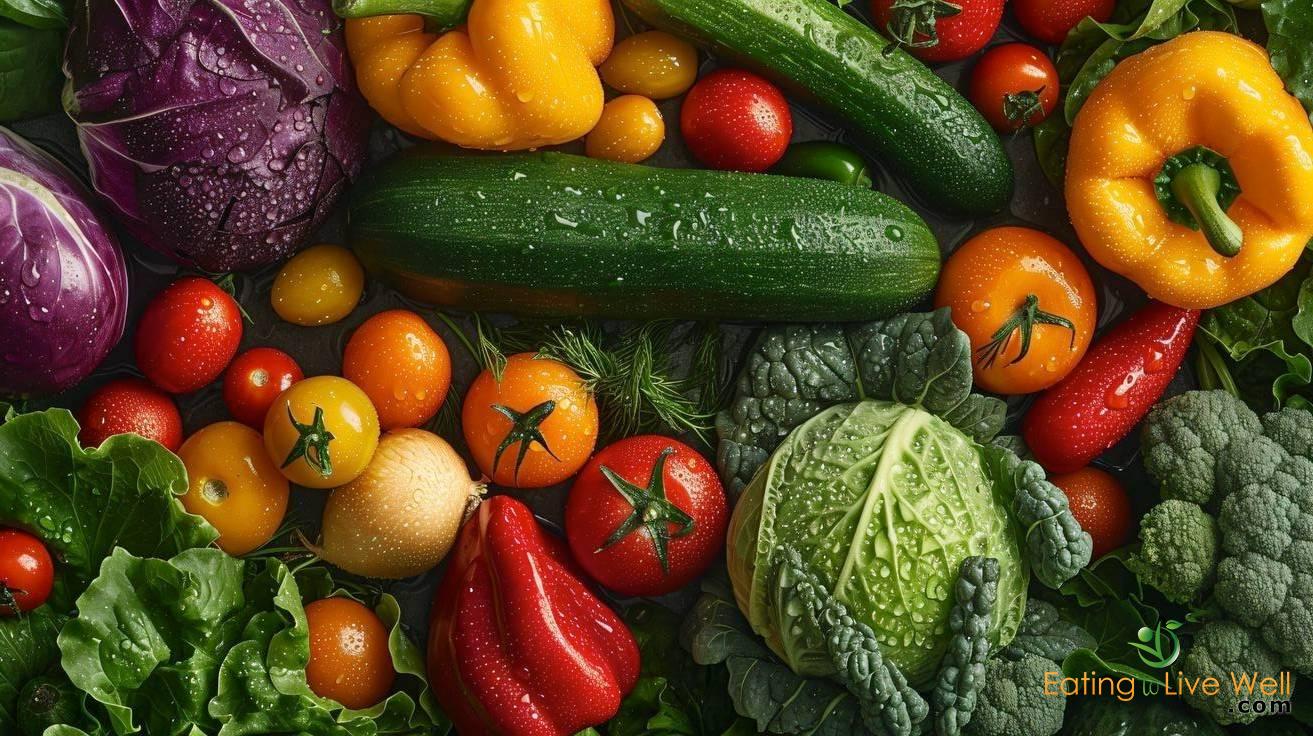
Eating low-carb veggies doesn’t mean giving up nutrients, just thinking smart about which ones to include in your meals.
When we talk about low-carb vegetables, nutrition experts often refer to net carbs, which are total carbohydrates minus fiber. Fiber doesn’t raise blood sugar the same way digestible carbs do, so net carbs give a better picture of a food’s impact on your carb count.
Non-starchy vegetables grown above ground, like leafy greens and many summer veggies, usually have fewer carbs than starchy ones like potatoes, sweet potatoes, or corn.
Here are some excellent low-carb vegetable picks to add to your grocery list and meals:
Leafy greens are among the lowest in net carbs and high in fiber and micronutrients.
These vegetables are easy to snack on or toss into salads all week.
These are slightly higher in net carbs but still low overall and full of nutrients like vitamin C and antioxidants.
These veggies keep meals interesting without spiking carbs too much.
Adding a variety of low-carb vegetables to your meals can help you feel full longer, support overall health, and keep carbs under control if that’s one of your goals. From leafy greens to crunchy cucumbers, these options are delicious and nutrient-packed, making them a smart part of any balanced eating plan.