
Chronic inflammation is linked to a wide range of health concerns, from joint pain and fatigue to heart disease and metabolic issues. While diet, sleep, movement, and stress management form the foundation of inflammation control, many people also explore supplements for added support.
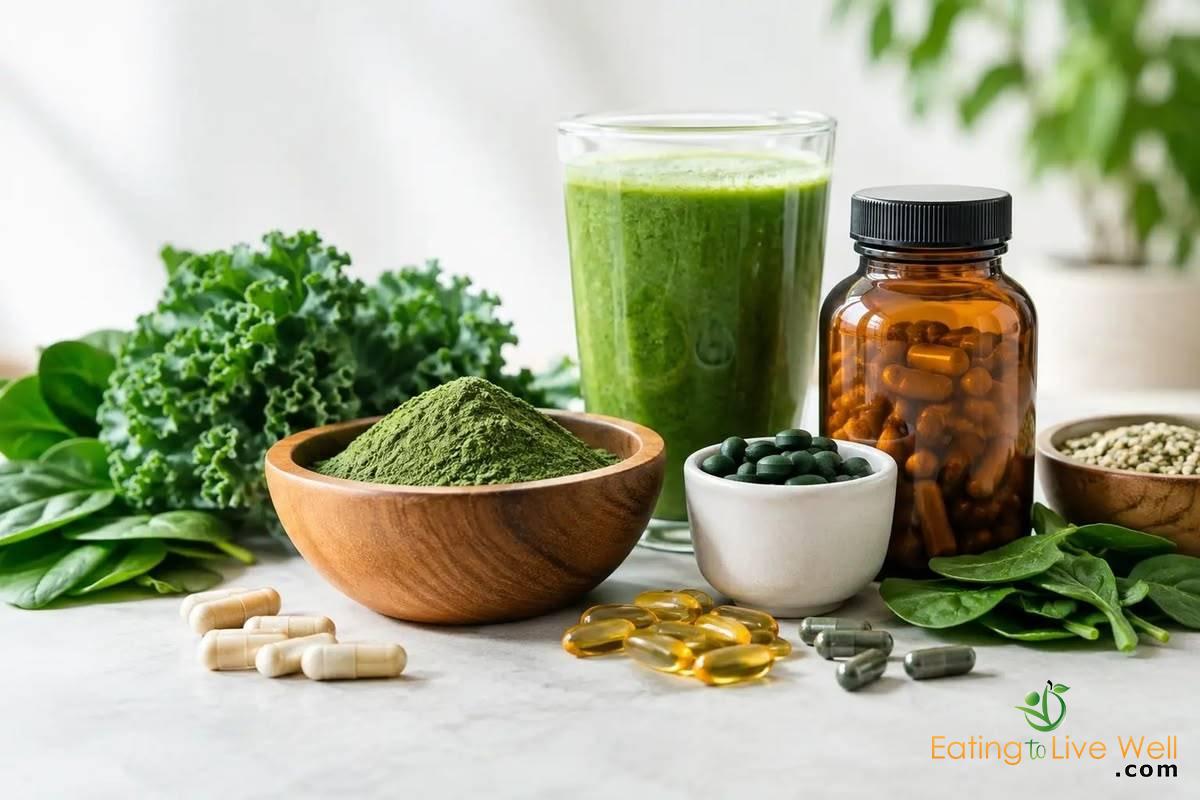
Below is a breakdown of some of the most researched anti-inflammatory supplements, including how they work, what studies suggest, and what to keep in mind before adding them to your routine.
Omega-3s (EPA and DHA) are among the most widely studied anti-inflammatory nutrients. They help the body produce compounds that regulate immune activity and calm inflammatory pathways. Higher doses have been shown to reduce markers like CRP and may support heart, joint, and metabolic health.
Found in: Fish oil, algae oil, fatty fish
Note: High doses may increase bleeding risk for those on blood thinners.
Curcumin is the active compound in turmeric and is known for its antioxidant and anti-inflammatory effects. It helps block inflammatory cytokines and may support joint comfort, immune balance, and overall cellular health.
Tip: Look for formulas paired with black pepper extract (piperine) to improve absorption.
Vitamin C supports immune function and helps reduce inflammatory proteins like TNF-α and IL-6. It also acts as a powerful antioxidant, protecting cells from oxidative stress.
Found in: Citrus fruits, berries, peppers, supplements
Ginger contains compounds that may help reduce long-term inflammation and support digestive and immune health. It's often used for joint comfort and general inflammatory balance.
Rich in catechins like EGCG, green tea extract offers antioxidant and anti-inflammatory benefits. It may support metabolic health, immune function, and cellular protection.
Vitamin D plays a major role in immune regulation. Low levels are associated with increased inflammation, and supplementation may help support immune balance and overall health.
Garlic contains sulfur-based compounds that may help reduce inflammation and support immune resilience. It's also known for cardiovascular benefits.
Found in grapes and berries, resveratrol has antioxidant properties that may help reduce inflammatory markers and support cardiovascular and metabolic health.
This blue-green algae contains antioxidants and nutrients that may help lower inflammation and support immune function.
Derived from pineapple, bromelain is an enzyme that may help reduce inflammation, especially related to joint discomfort or injury.
Also known as Indian frankincense, Boswellia may help reduce inflammatory markers and support joint comfort.
This Amazonian herb may help regulate immune activity and reduce inflammatory cytokines like TNF-α.
Gut health and inflammation are closely linked. Probiotics may help reduce inflammatory markers like CRP and support digestive and immune balance.
A plant flavonoid found in onions, apples, and berries, quercetin has antioxidant and anti-inflammatory properties that may support immune and respiratory health.
Experts emphasize that supplements should complement, not replace, a healthy lifestyle. A nutrient-dense diet, regular movement, quality sleep, and stress reduction remain the most powerful tools for lowering inflammation. Supplements can offer an extra layer of support, especially when chosen intentionally and used consistently.
Anti-inflammatory supplements can be a helpful addition to your wellness routine, especially if you're looking to support immune balance, joint comfort, or overall metabolic health. Always check with your healthcare provider before starting new supplements, especially if you take medications or have underlying conditions.