
Protein isn't just something athletes obsess over — it's one of the most important nutrients your body needs every single day. It's a building block for muscles, skin, hair, nails, hormones, enzymes, the immune system, and even appetite control. Yet many people, especially busy women juggling life and workouts, don't realize they're falling short.
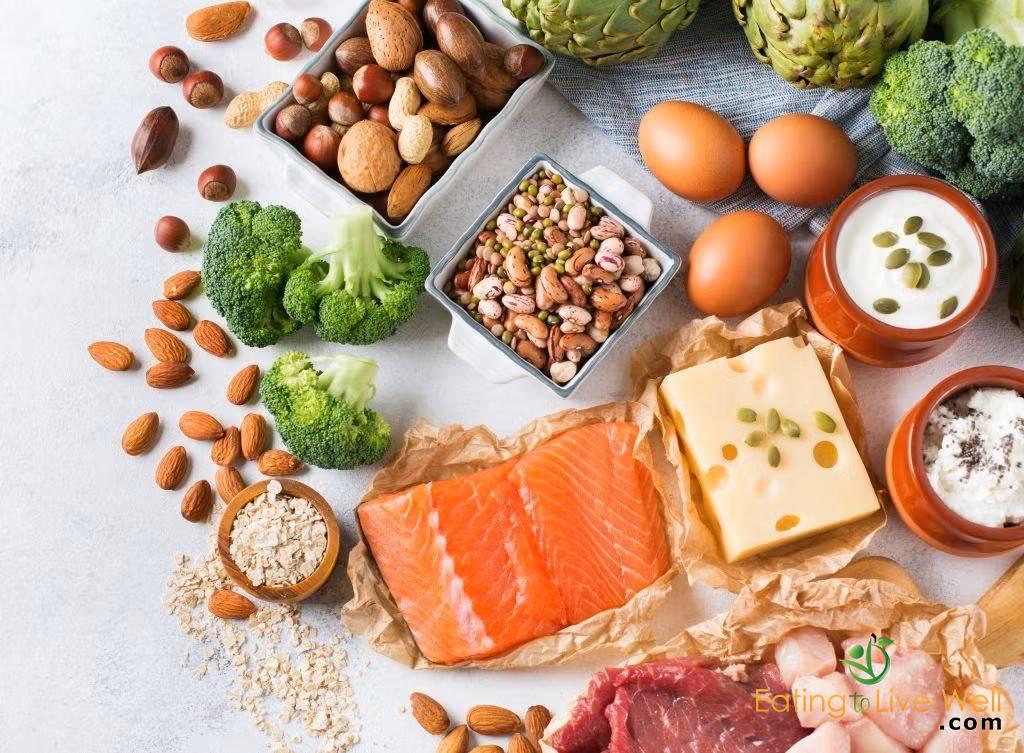
If you've been feeling "off" lately, it could actually be your body telling you it needs more protein. Here are five key signs to watch for - and how to fix them.
Do you feel like you could eat again an hour after a meal? That's a big hint that your meals might be low in protein. Protein helps keep you full longer, so without enough of it, your blood sugar can dip and hunger hormones spike.
What to do: Aim to include ~25–30 g of protein at each meal - for example Greek yogurt for breakfast, grilled chicken or tofu at lunch, and salmon or lentils at dinner.
Protein is essential for rebuilding tissues and making collagen - the "glue" that helps wounds heal. When you're low on protein, your body literally has less raw material to repair damage.
Quick tip: Add a protein-rich snack like a hard-boiled egg or hummus with veggies after workouts or throughout the day.
This one surprises a lot of people: strength training alone isn't enough to grow muscle. Your body needs enough amino acids (from protein) to synthesize new muscle tissue. Without them, your muscles can't recover or grow - even if you hit the gym hard.
Goal: Include a mix of animal and plant proteins to get all essential amino acids.
Hair follicles are constantly growing and cycling, and they rely on protein to stay strong. If your diet is low in protein, your body may prioritize vital organs over hair growth, which can lead to thinning or increased shedding.
What helps: Include foods rich in both protein and nutrients that support hair health - like eggs, salmon, beans, and nuts.
Nails are made mostly of keratin, a form of protein. If you find your nails snapping or splitting more than usual, a lack of protein could be a factor.
Try this: Snack on protein-rich choices like hard boiled eggs, beef/turkey jerky or roasted chickpeas for an easy boost.
Everyone's needs are a little different, but a good starting point is aiming for about 25–30 grams of protein per meal spread throughout your day - not just at dinner. That helps your body use protein more efficiently.
Here's a quick example:
If you're struggling to hit your goals, simple swaps like adding a scoop of protein powder, Coconut yogurt, or extra beans to your meals can make a big difference.
Protein does way more than build muscle. It affects your metabolism, appetite, skin, hair, nails, immune system, and overall energy. If you recognize a few of these signs in your own life, a small increase in protein intake each day could help you feel stronger, more energized, and more balanced.