
As we age, maintaining sharp memory and cognitive function becomes a top health priority. While age, genetics, and lifestyle all play a role, your daily diet can have a powerful impact on brain health. Research shows that consistently eating certain nutrient-rich foods may help protect memory, support neural function, and slow cognitive decline over time.
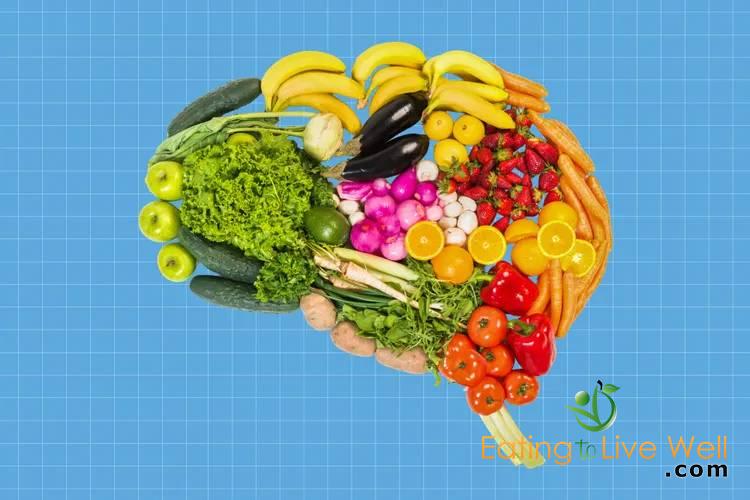
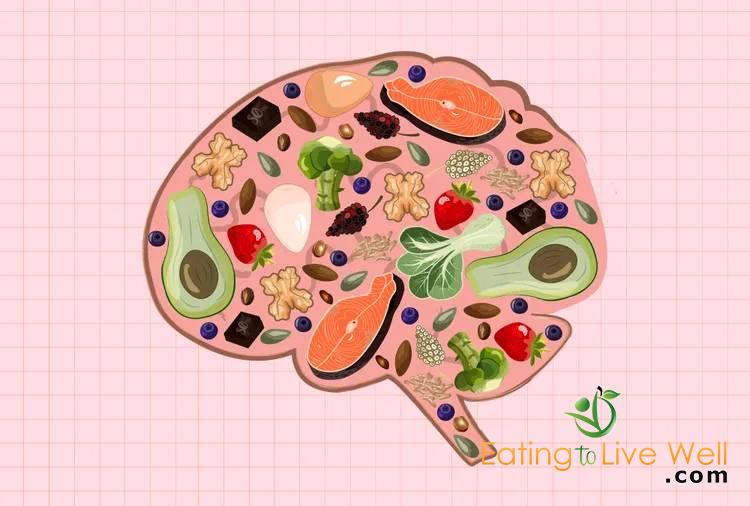
Here are seven foods dietitians recommend including regularly in your meals for healthier aging and better memory:
This kitchen staple is rich in polyphenols—plant compounds with strong antioxidant and anti-inflammatory actions. These compounds help protect brain cells from oxidative stress and may reduce the buildup of proteins linked with Alzheimer's disease.
Tip: Use extra-virgin olive oil in salad dressings, light sautéing, or drizzled over roasted vegetables.
Fatty fish such as salmon, sardines, mackerel, and anchovies are excellent sources of omega-3 fatty acids (DHA and EPA). Omega-3s support cell communication in the brain, help maintain structural integrity, and are associated with slower mental decline.
Try: Grilled salmon with herbs, fish tacos with cabbage slaw, or canned sardines on whole-grain toast.
Vegetables like spinach, kale, and Swiss chard are rich in antioxidants, B vitamins, and carotenoids. These nutrients help combat inflammation and support healthy blood flow to the brain, key factors in long-term memory preservation.
Try: Add greens to smoothies, omelets, or chickpea salads.
Berries are packed with anthocyanins and polyphenols, powerful antioxidants that may improve cognition and enhance blood vessel function in the brain. Regular berry consumption has been linked with slower rates of age-related memory decline.
Try: Mix berries into oatmeal, yogurt, or blend into brain-boosting smoothies.
Tomatoes contain lycopene, a potent antioxidant that helps protect neurons and reduce inflammation. Consuming tomatoes regularly—fresh, stewed, or in sauces—adds valuable nutrients that support brain cell health.
Try: Fresh tomato salad or tomato-based soups.
Eggs are a great source of choline, a nutrient that plays a key role in producing acetylcholine—a neurotransmitter involved in memory and learning. Including eggs with the yolk ensures you get the full benefit of these memory-supportive nutrients.
Try: Scrambled eggs with spinach, or a veggie omelet for breakfast.
Often associated with digestive health, prunes also contain antioxidants similar to those in berries. These compounds help counteract oxidative stress in the brain, a factor linked with cognitive decline.
Try: Add prunes to breakfast bowls, or use prune puree in sauces and baking.
Nutrition is just one piece of the puzzle. To maximize memory and cognitive health over the long term, experts also recommend:
Eating for brain health doesn't have to be complicated. By choosing whole, nutrient-dense foods regularly, you're giving your brain the fuel it needs to function at its best now—and years into the future.