
When we think about mood, we often focus on mindset, stress, or sleep. But what many people don't realize is that what you eat directly influences how you feel emotionally. Your brain, gut, hormones, and immune system are constantly communicating, and nutrition plays a key role in keeping that conversation balanced.
If you've been feeling low energy, anxious, irritable, or mentally foggy, food can be a powerful place to start.
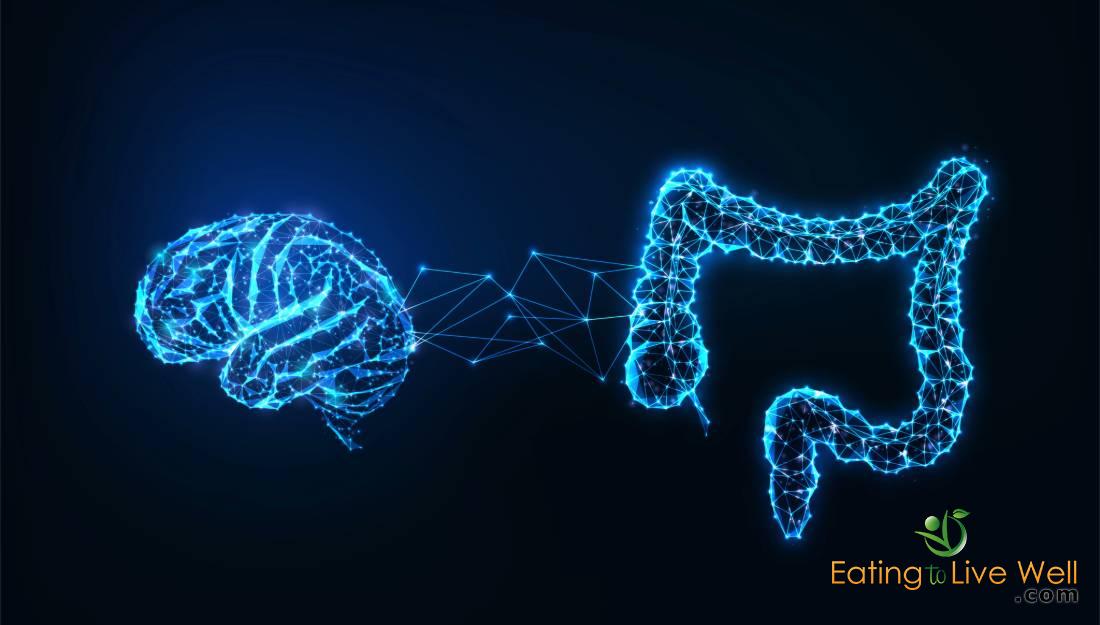
Your gut produces a large portion of your neurotransmitters, including serotonin, often called the "feel-good" chemical. When gut flora is out of balance, it can impact mood, focus, and emotional resilience. Supporting digestion and beneficial bacteria is one of the most effective ways to support mental wellbeing naturally.
Amino acids from protein are the building blocks for neurotransmitters like dopamine and serotonin. Without adequate protein, mood can feel unstable, and energy may dip.
Omega-3 fatty acids help reduce inflammation and support brain cell communication. They are strongly linked to improved mood and cognitive function.
Magnesium supports the nervous system and helps calm the body during stress. Low levels are commonly associated with anxiety, tension, and poor sleep.
These minerals play a role in immune function, hormone balance, and mood regulation. When the body is under stress, demands for these nutrients increase.
Carbohydrates help regulate serotonin production when paired with protein and healthy fats. The goal is stable blood sugar, not restriction.
Chronic inflammation, immune activation, or exposure to environmental stressors like heavy metals can affect mood just as much as stress or life events. When the immune system is working overtime, nutrients may not be utilized as efficiently, which can leave you feeling emotionally depleted even if your diet looks "healthy" on paper.
You don't need a perfect diet to support your mood. Start with:
Over time, these small shifts can lead to noticeable improvements in energy, emotional balance, and resilience.
Mood is not just mental, it's biochemical, digestive, and deeply connected to overall health. When we nourish the body properly, the mind often follows.
If you're struggling with mood changes, fatigue, or brain fog and feel like you've tried "everything," there may be underlying imbalances worth exploring. Personalized testing and biofeedback can help uncover what your body needs to feel its best.