
Herbal teas and supplements can be a great addition to a wellness routine, but “natural” doesn't always mean risk-free.
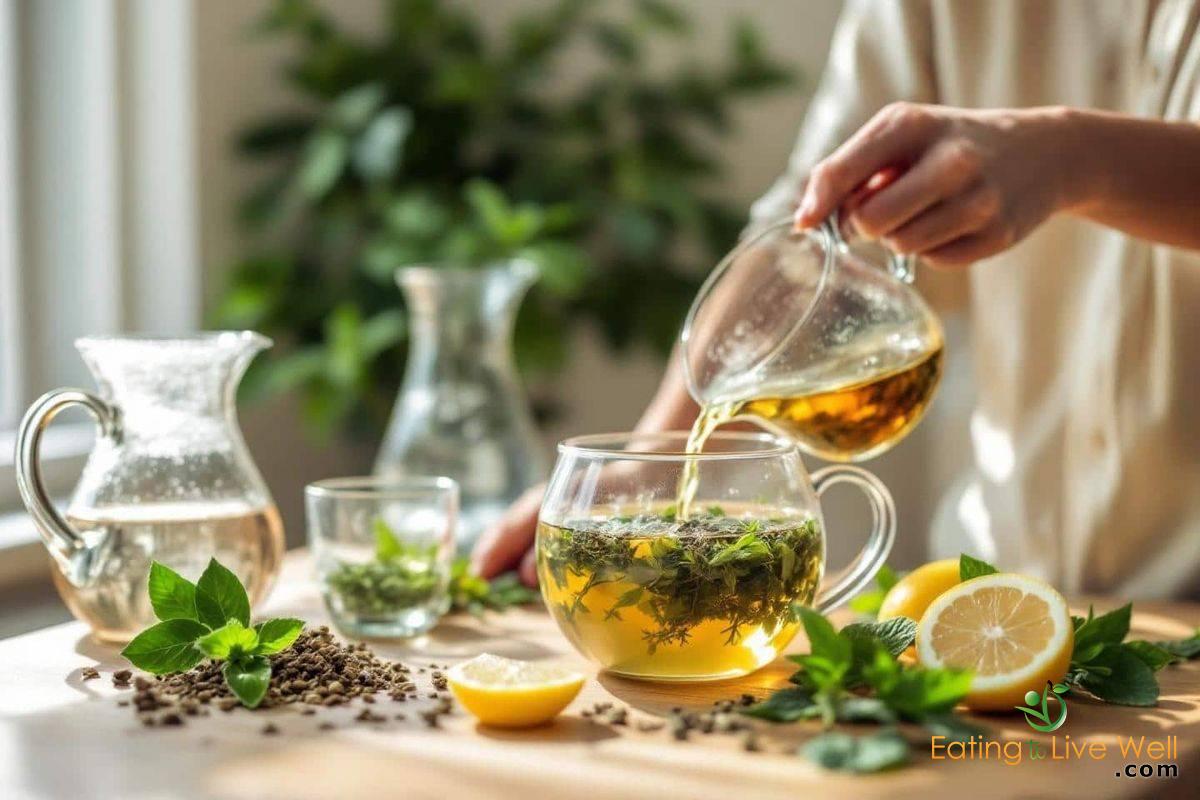
If you have high blood pressure or take blood pressure medication, certain herbs and supplements can raise blood pressure, affect fluid and electrolyte balance, or interact with your medications.
Your response can also depend on the dose, how long you use it, your individual health, and the quality of the product.
Here are some of the herbs and supplements worth knowing about.
Licorice root is one of the most important herbs to be cautious with if you have high blood pressure.
Licorice contains glycyrrhizic acid, which can cause the body to retain sodium and fluid while lowering potassium levels. This can lead to increased blood pressure, swelling, and changes in electrolytes.
Research suggests that even relatively modest amounts may increase blood pressure in some people, particularly with regular or long-term use.
If you have high blood pressure, it's best to avoid licorice root or discuss it with your healthcare provider first.
Watch for: Licorice root tea, licorice extract, and supplements containing licorice.
Yohimbe is a stimulant-like herbal ingredient that can increase activity in the sympathetic nervous system.
It may raise blood pressure and heart rate, and serious cardiovascular reactions have been reported.
If you have high blood pressure or cardiovascular concerns, yohimbe is best avoided.
Ephedra contains stimulant compounds that can significantly increase blood pressure and heart rate.
It has been associated with serious cardiovascular events, including heart attack and stroke. Because of these risks, ephedra-containing dietary supplements were banned in the U.S. in 2004.
This is one herbal ingredient that should be avoided entirely.
Bitter orange contains synephrine, a stimulant-like compound often found in weight-loss and energy products.
It may increase blood pressure and heart rate, particularly at higher doses or when combined with other stimulants.
If you have high blood pressure, use caution with bitter orange and products marketed for energy, metabolism, or weight loss.
Not every herb raises blood pressure directly. Some can be problematic because they change how medications work in your body.
St. John's Wort doesn't consistently appear to raise blood pressure on its own, but it can interact with many medications by changing how quickly they are broken down.
This may reduce the effectiveness of certain medications, including some blood pressure medications and other cardiovascular drugs.
If you take prescription medication, don't start St. John's Wort without checking with your healthcare provider or pharmacist first.
Research on ginkgo's direct effect on blood pressure is mixed, but the bigger concern is medication interactions and increased bleeding risk.
Ginkgo can have antiplatelet effects, which may be important if you're taking blood thinners or certain pain medications.
If you're taking medication for blood pressure, heart health, or blood clotting, check with your healthcare provider before using ginkgo.
You may have heard that ginseng can increase blood pressure.
Current research doesn't strongly support that concern. Clinical trials and meta-analyses generally show neutral effects or modest reductions in blood pressure with certain types of ginseng.
That said, individual responses can vary, and ginseng can still interact with medications.
So, ginseng doesn't need to be treated the same way as herbs like licorice or ephedra purely because of blood pressure.
Some herbal beverages have actually been studied for their potential blood-pressure benefits.
Hibiscus (sour tea) has shown fairly consistent, modest reductions in blood pressure in clinical research.
Green tea has also been associated with small beneficial effects in some studies.
However, these should be viewed as supportive lifestyle choices, not replacements for prescribed treatment.
And remember, even beneficial herbs can interact with certain medications, so it's always worth checking first.
Herbs and supplements are only one small piece of the picture.
Some of the most well-supported strategies include:
Natural doesn't automatically mean safe, and more isn't always better.
If you have high blood pressure, take blood pressure medication, or have cardiovascular concerns, check with your healthcare provider or pharmacist before adding a new herbal tea or supplement.
And when choosing supplements, look for reputable products with clear ingredient lists, appropriate dosing, and quality testing.
Your medications, supplements, diet, and health conditions all work together, so it's important to look at the whole picture rather than treating each one separately.