
If you love grains but worry about how they affect your blood sugar, cravings, or weight, there's a simple trick nutrition experts highlight: cook, cool, and freeze your grains before eating them. While it won't magically cut calories, it can slightly alter digestion and support gut health.
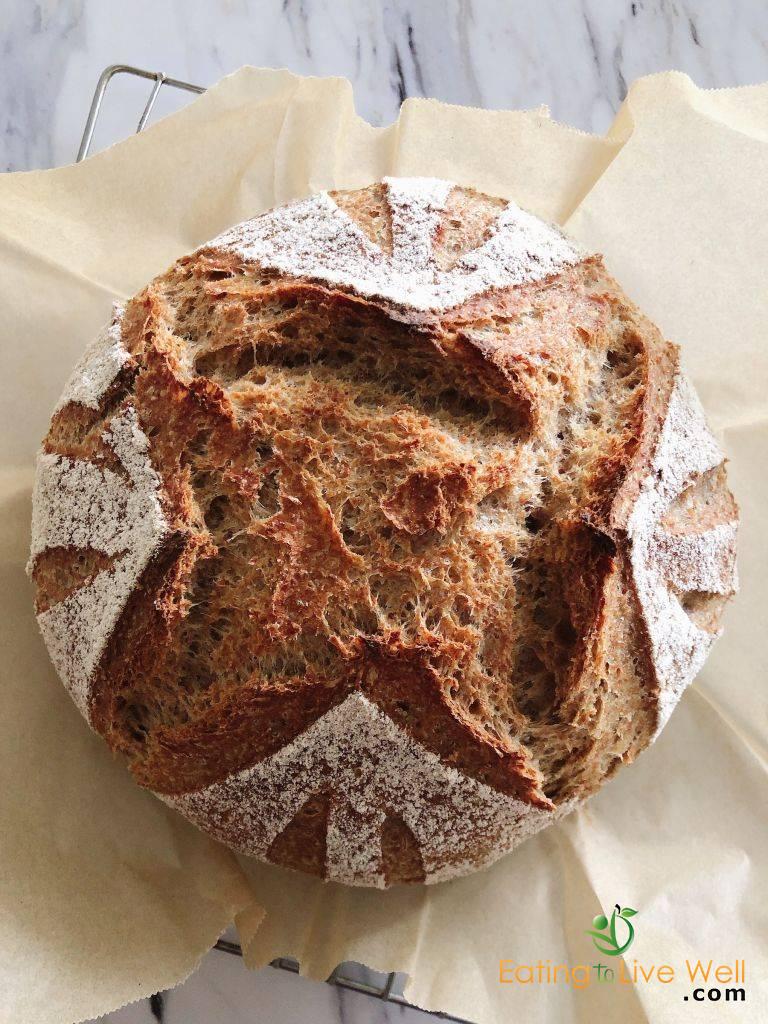
This approach works especially well with ancient and alternative grains like buckwheat, spelt, amaranth, quinoa, and millet, grains that are naturally higher in fiber and nutrients compared to refined wheat.
When grains are cooked and then cooled or frozen, some of their starches change into resistant starch, a form that's harder for your body to digest quickly. Resistant starch acts a bit like fiber in your gut.
Benefits of resistant starch in alternative grains:
So, grains like cooked and cooled spelt pasta or frozen amaranth porridge may have a gentler impact on blood sugar than when eaten hot and fresh.
Freezing or cooling does not lower total carbohydrates or calories. It just slightly slows digestion, meaning your body absorbs glucose more gradually. The grains are still nutrient-rich, so you get the vitamins, minerals, and plant compounds they naturally provide.
Alternative grains are naturally higher in fiber, protein, and micronutrients than standard white rice or wheat pasta. Examples:
Freezing and reheating these grains can enhance their slow-digesting properties, making them even more supportive for stable energy and appetite control.
How to Try It Safely
Tip: Store in airtight containers to avoid moisture and spoilage.
Using alternative grains like buckwheat, spelt, and amaranth, and pairing them with the cook-cool-freeze method, can help you:
It's a subtle, science-backed way to make grains more digestively friendly while enjoying nutrient-rich, fiber-packed meals.