
Could changing the way you eat for just one week make you feel healthier? Fitness influencer Will Tennyson recently put that question to the test by following a Blue Zone-inspired diet for seven days. Inspired by regions of the world where people regularly live well into their 90s and beyond, he eliminated ultra-processed foods and focused on eating simple, whole, natural ingredients. Within days, he noticed some surprising changes.
Blue Zones are regions where people have historically experienced exceptional longevity. These include:
While each culture has its own unique foods and traditions, researchers have identified several common lifestyle habits:
It's important to note that longevity in these populations is likely the result of the combination of diet, physical activity, social relationships, sleep, and overall lifestyle, rather than any single food or eating pattern.
Rather than following a perfectly traditional Blue Zone menu, Tennyson created one simple rule:
If it didn't come naturally from the earth in a minimally processed form, he wouldn't eat it.
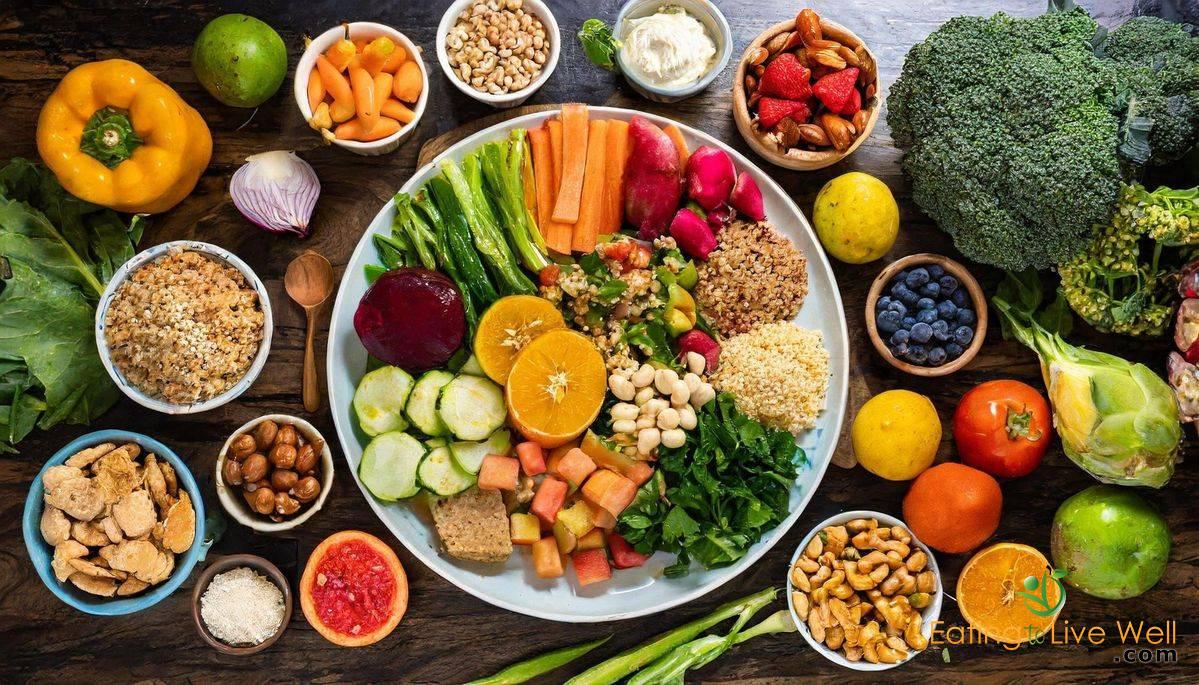
His meals consisted primarily of:
He eliminated:
One unexpected discovery? Grocery shopping became much more difficult. He realized just how much of the average supermarket is filled with heavily processed products, and eating this way was noticeably more expensive than expected.
Although seven days is a relatively short period, he reported several noticeable improvements.
Instead of experiencing afternoon crashes, he felt his energy remained steady throughout the day.
This makes sense. Whole foods rich in fiber, healthy fats, and protein digest more slowly, helping to stabilize blood sugar levels.
One of the biggest changes was digestive health.
He reported:
Increasing fiber intake from vegetables, legumes, fruits, and whole grains often supports a healthier gut microbiome and promotes regular digestion.
He also noticed that several breakouts had begun improving by the end of the week.
While skin health is influenced by many factors including hormones, sleep, stress, and genetics, reducing highly processed foods and increasing nutrient-rich foods may help support healthier skin for some individuals.
Perhaps his favorite benefit was the lack of "brain fog."
Instead of fluctuating energy and focus, he described feeling mentally sharp throughout the day.
Although this was only his personal experience, many people report improved concentration when replacing highly processed foods with nutrient-dense meals.
Despite the positive changes, he admitted the diet wasn't perfect.
He found it:
Like many healthy eating approaches, consistency, not perfection, is what matters most.
Research consistently shows that dietary patterns emphasizing whole, minimally processed foods are associated with a lower risk of many chronic diseases, including cardiovascular disease, type 2 diabetes, and certain cancers.
However, experts also point out that the impressive longevity seen in Blue Zone populations cannot be attributed to diet alone. Regular physical activity, strong social connections, stress management, adequate sleep, and access to healthcare all play important roles.
You don't need to move to Sardinia or Okinawa to benefit from many of these principles.
Start by making a few simple changes:
Even replacing a few ultra-processed foods with whole-food alternatives each week can make a meaningful difference over time.
The biggest lesson from this seven-day experiment wasn't that there is one "perfect" diet.
It was that many people feel noticeably better when they eat more foods that look the way nature made them.
A healthier lifestyle doesn't require expensive supplements, complicated meal plans, or restrictive diets. Often, the simplest habits, eating real food, moving daily, sleeping well, and managing stress, have the greatest long-term impact.
Small changes practiced consistently are far more powerful than short-term perfection.