
If you've noticed more hair in your brush, thinning hair, or strands that seem dull and brittle, your diet could be playing a bigger role than you think.
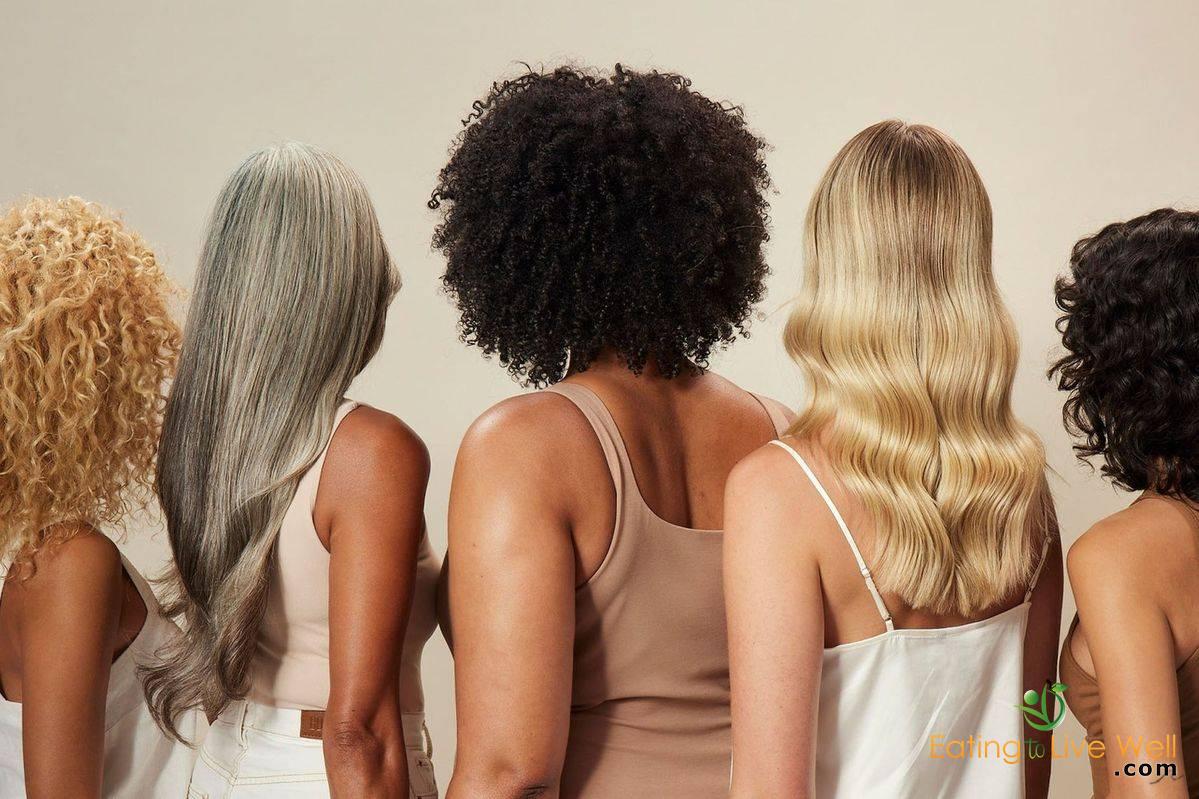
While genetics, hormones, stress, and certain medical conditions all influence hair health, the nutrients you eat provide the building blocks your hair follicles need to produce strong, healthy hair.
The good news? You don't need expensive supplements or trendy "hair gummies." A nutrient-rich diet can often provide everything your hair needs to thrive.
Hair is made primarily of a protein called keratin, meaning your body requires adequate protein, vitamins, minerals, and healthy fats to continuously produce new hair.
Hair follicles are some of the most metabolically active cells in the body. When you're lacking important nutrients, your body naturally prioritizes essential organs first, meaning hair growth can slow, shedding may increase, and strands may become weaker.
Some of the key nutrients involved in healthy hair include:
According to registered dietitians interviewed by Shape, wild salmon stands out as one of the best foods you can eat for healthier hair.
Why?
Salmon provides several nutrients that work together to support hair growth:
Aim for two servings of fatty fish per week to help meet your omega-3 needs.
While salmon is an excellent choice, variety is just as important.
Eggs are one of nature's most complete foods.
They provide:
Protein deficiency is one of the most common nutritional causes of hair thinning.
Spinach delivers several hair-supporting nutrients in one serving:
Vitamin C also helps improve iron absorption, making this combination especially beneficial.
Sweet potatoes are packed with beta-carotene, which the body converts into vitamin A.
Vitamin A supports healthy scalp tissues and normal oil (sebum) production that helps keep hair moisturized.
More isn't always better, though. Excessive vitamin A from supplements, not food, can actually contribute to hair loss.
Beans, lentils, and chickpeas are excellent plant-based sources of:
They're an affordable option for supporting both hair and overall health.
Almonds, walnuts, pumpkin seeds, and sunflower seeds provide:
Walnuts are also one of the best plant sources of omega-3 fats.
Oranges, lemons, grapefruit, and mandarins are rich in vitamin C.
Vitamin C is essential because it:
Chicken is another excellent source of complete protein.
If you eat the skin or make homemade bone broth from the bones, you'll also consume natural collagen.
Blueberries, strawberries, raspberries, and blackberries provide antioxidants that help protect hair follicles from oxidative damage while supplying vitamin C to support collagen production.
No single food causes hair loss, but diets high in ultra-processed foods and low in essential nutrients may contribute to poorer hair health over time.
It's also wise to limit:
Nutrition is only one piece of the puzzle.
Healthy hair also depends on:
Sudden or significant hair loss should always be evaluated by a healthcare professional, as it can sometimes signal thyroid disorders, iron deficiency, hormonal changes, or other medical conditions.
Healthy hair starts from within.
Rather than relying on expensive supplements or miracle products, focus on building meals around whole, nutrient-dense foods rich in protein, healthy fats, vitamins, and minerals.
If your goal is stronger, shinier, healthier hair, prioritize foods like:
Consistently eating a balanced, nutrient-rich diet won't transform your hair overnight, but over time it provides your body with the building blocks needed to support healthy hair growth, strength, and shine.