
The liver is one of the most important organs in the body, yet it is often overlooked until symptoms become significant. In functional and holistic wellness models, the liver is viewed not just as a detox organ, but as a central regulator of metabolism, hormones, digestion, immune activity, and circulation.
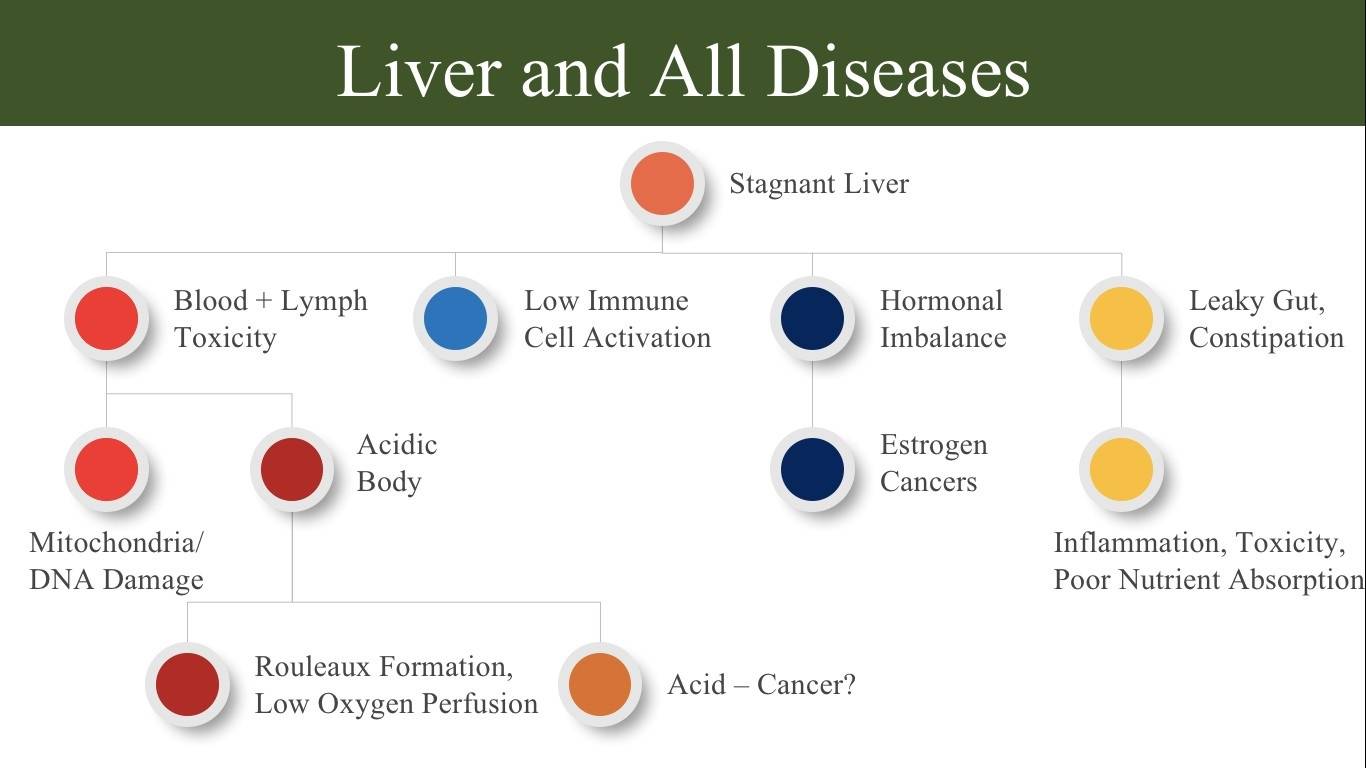
When the liver becomes overburdened or sluggish, often referred to as liver stagnation in holistic frameworks, it can contribute to a cascade of imbalances throughout the body. The diagram above illustrates how liver stress may influence multiple systems at once, helping explain why symptoms can feel widespread and unrelated.
A "stagnant" or overloaded liver does not necessarily mean liver disease. Instead, it refers to reduced efficiency in processing toxins, hormones, metabolic waste, and nutrients. Contributing factors may include chronic stress, poor digestion, low bile flow, environmental toxin exposure, medication use, alcohol, blood sugar imbalance, or nutrient deficiencies.
When the liver struggles to keep up with its workload, the effects may ripple outward.
The liver plays a major role in filtering the blood and supporting lymphatic flow. When detoxification pathways are sluggish, metabolic waste and toxins can remain in circulation longer than ideal. This may contribute to feelings of heaviness, inflammation, skin issues, headaches, or fatigue.
Over time, poor clearance can stress the lymphatic system, slowing immune communication and waste removal.
At a cellular level, toxin buildup and poor nutrient delivery can affect mitochondrial function, the part of the cell responsible for energy production. When mitochondria are under stress, the body may experience low energy, poor recovery, brain fog, or increased oxidative stress.
This environment can also increase cellular vulnerability, making repair processes less efficient.
When circulation is impaired and detox pathways are overwhelmed, tissues may receive less oxygen and nutrients. This can contribute to a more acidic internal environment and changes in blood flow, sometimes described as rouleaux formation, where red blood cells clump together.
Reduced oxygen perfusion places additional stress on tissues and can impact healing, immune balance, and metabolic health.
The liver is closely connected to immune regulation. When overloaded, immune signaling can become dysregulated, meaning the immune system may be underactive in some areas and overactive in others. This imbalance can contribute to chronic inflammation, frequent illness, or poor immune resilience.
One of the liver's key roles is breaking down and clearing hormones, including estrogen. If this process is slowed, estrogen may be reabsorbed rather than eliminated, contributing to hormonal imbalance.
This can show up as PMS, heavy or irregular cycles, mood changes, breast tenderness, or other hormone-related symptoms. Long-term estrogen dominance is also an area of growing research interest in relation to hormone-driven conditions.
The liver and gut are deeply interconnected through bile flow. Bile is essential for fat digestion, toxin elimination, and regular bowel movements. When bile flow is inadequate, constipation may occur, allowing toxins and hormones to be reabsorbed rather than excreted.
This gut-liver loop can lead to increased inflammation, poor nutrient absorption, and further stress on detox pathways.
This model does not suggest that one organ directly causes all disease. Rather, it highlights how systemic stress and impaired detoxification can influence multiple body systems simultaneously.
The goal is not to label or alarm, but to understand where support may be needed. Strengthening digestion, improving bile flow, supporting nutrient status, reducing toxin exposure, and calming the nervous system all help restore liver resilience and overall balance.
Because symptoms and stressors vary from person to person, understanding how your body is responding is key. Biofeedback scanning can help identify stress patterns related to detox pathways, digestion, hormones, and immune balance, offering personalized insight rather than assumptions.
The liver is not an isolated organ, it is a central hub that influences circulation, digestion, hormones, immunity, and cellular health. When liver function is supported, many downstream systems benefit.
If you are experiencing fatigue, hormonal symptoms, digestive issues, inflammation, or unexplained health concerns, supporting liver function may be an important piece of your wellness puzzle.
A personalized assessment can help identify where stress is occurring and how to support your body in rebuilding balance and resilience.