
Omega-3 fatty acids are essential fats that play a big role in keeping your brain healthy throughout life. While your body can make small amounts of one type (ALA), most of the brain benefits come from EPA and DHA, which you usually get from fatty fish or supplements.
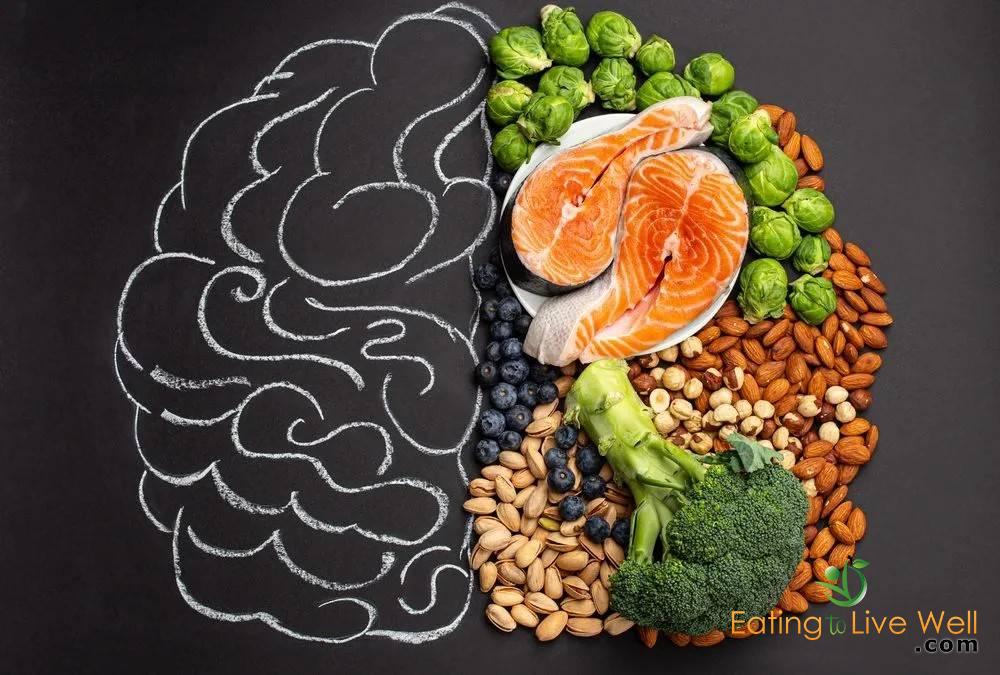
Your brain is nearly 60 % fat, and omega-3s are among the fats it uses most. DHA is especially important because it becomes part of brain cell membranes, helping keep them flexible and functioning properly. EPA supports brain health too by helping reduce inflammation and protect nerve cells.
While getting omega-3s from food remains a great choice, especially fatty fish like salmon or sardines, supplements can be helpful when you don’t eat enough through diet alone. Plant sources like walnuts, flaxseeds and chia provide the omega-3 type called ALA, but the body doesn’t convert ALA to EPA and DHA very efficiently.
Nutrition guidance often suggests a combined 250–500 mg per day of EPA and DHA for general health. More may be used for specific needs, but it’s important not to exceed recommended amounts without speaking to a health practitioner or doctor.
Omega-3s are more than just a health buzzword — they’re building blocks the brain uses for structure, communication and long-term function. Supplements can help fill dietary gaps, especially if you don’t regularly eat oily fish. Talking with a healthcare provider before starting any new supplement is always smart.