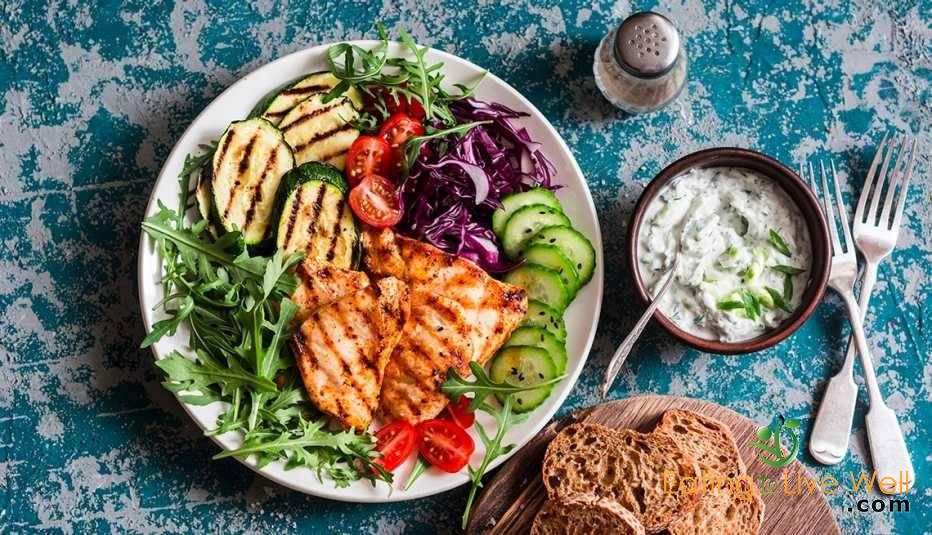
What Makes the Mediterranean Diet Special
The Mediterranean diet focuses on whole, minimally processed foods and a balance of nutrient-rich ingredients. Instead of counting calories or cutting out entire food groups, you shift your eating patterns toward:
- Lots of vegetables and fruits
- Whole grains instead of refined carbs
- Healthy fats like extra-virgin olive oil
- Legumes and nuts for plant-based protein
- Lean proteins like fish and poultry
- Moderate dairy if tolerated (Greek yogurt and cheese)
- Limited red meat, sweets, and highly processed foods
This mix of foods has been linked to benefits for heart health, brain health, and overall longevity - and it's also flexible and delicious.
Mediterranean Diet Grocery List - Nutritionist-Approved Foods to Stock Your Kitchen
Here's a shopping guide to help you fill your cart with Mediterranean-friendly essentials:
Healthy Fats & Oils
- Extra-virgin olive oil - the foundation of Mediterranean cooking
- Olives for snacking or salads
- Avocado, flaxseeds, chia seeds (these provide heart-healthy fats and antioxidants)
Veggies & Fruits
Aim for a rainbow of produce:
- Leafy greens (spinach, kale, arugula)
- Tomatoes, zucchini, eggplant, cucumbers
- Bell peppers, carrots, artichokes
- Citrus, berries, apples, stone fruits
Vegetables and fruits add fiber, vitamins, and plant compounds that support overall health.
Whole Grains
Choose whole grains instead of refined:
- Brown rice, quinoa, spelt, buckwheat
- Whole-wheat bread or pasta
Whole grains provide lasting energy and fiber.
Legumes & Plant Proteins
- Chickpeas, lentils, black beans
- Cannellini and kidney beans
Legumes are high in protein and fiber - great for soups, salads, and even dips like hummus.
Lean Proteins
- Fatty fish like salmon, sardines, trout
- Shellfish and seafood
- Poultry (chicken, turkey)
Fish rich in omega-3 fats supports heart and brain health.
Dairy in Moderation (if tolerated)
- Greek yogurt or coconut yogurt
- Kefir (coconut or dairy)
- Cheese like feta, Swiss, or parmesan
These add calcium and protein without too much saturated fat. If dairy doesn't suit you, unsweetened plant-based alternatives can also fit into a Mediterranean-style plan.
Herbs & Spices
Fresh or dried basil, oregano, rosemary, garlic, thyme - spices pack flavor and antioxidants without added salt or sugar.
Tips for Shopping & Eating
- Shop the perimeter of the store: fresh produce, fish, whole grains, and dairy are usually along the outer aisles.
- Plan meals ahead so you always have Mediterranean-friendly ingredients on hand.
- Keep pantry staples like olive oil, beans, whole grains, and canned tomatoes stocked - they make quick meals possible.
A Lifestyle, Not a Fad
The Mediterranean diet isn't just a list of foods - it encourages mindful eating, shared meals, and a balanced relationship with food. It's flexible enough to fit vegetarian, pescatarian, or omnivore lifestyles.
By choosing nutrient-dense ingredients at the grocery store, you create meals that are satisfying, flavorful, and truly nourishing - the Mediterranean way.