
Microplastics, tiny pieces of plastic smaller than a grain of rice, are not just an environmental concern anymore. New research shows they can end up in your food and beverages from common kitchen items like plastic cups, bottles and cutting boards. These particles can come from wear and tear, heat exposure and everyday use, and over time may contribute to health concerns.
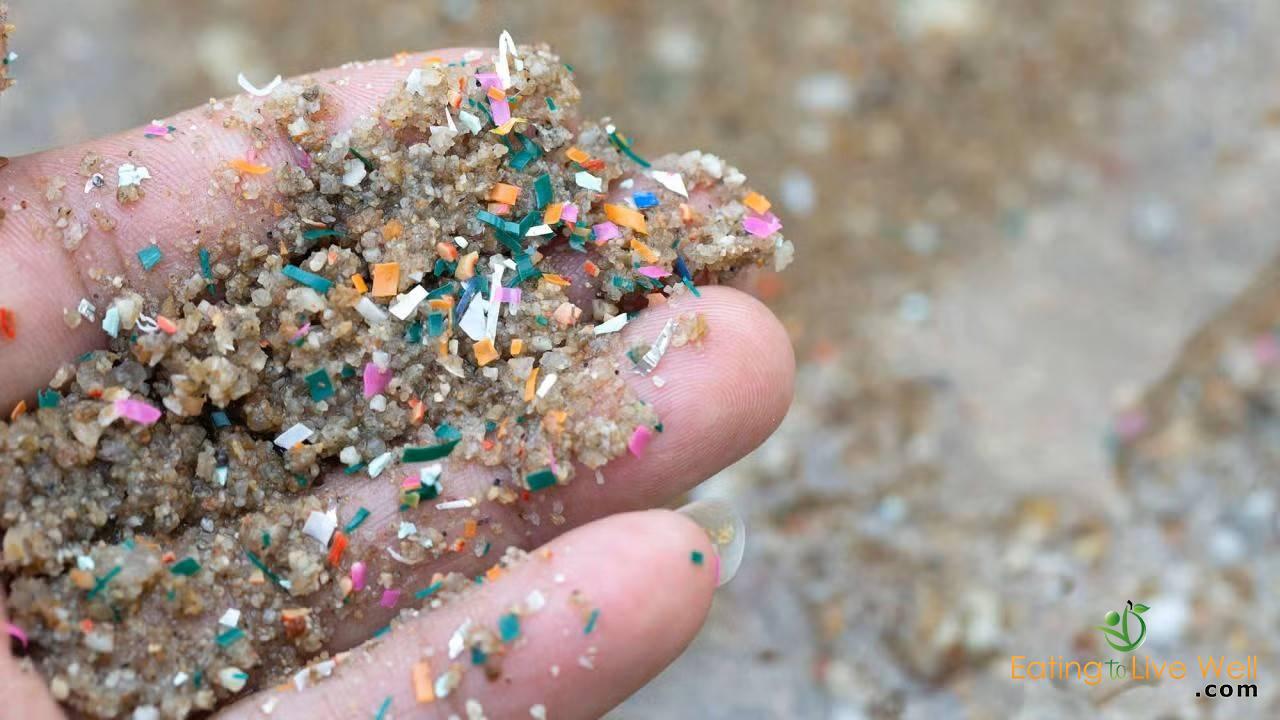
Experts say that everyday actions can release microplastics into your food, especially when plastic surfaces are heated, scratched or repeatedly used:
Even if plastics are labeled "microwave safe," heating and cooling food in them can release microplastics and chemical additives into your meals.
Research is ongoing about the exact health impacts of eating microplastics. Some studies suggest these particles may interact with the gut microbiome or carry chemical additives into the body. While larger particles are likely to pass through the digestive system, smaller ones and the chemicals attached to them are being studied for possible effects on inflammation, gut health and metabolic processes.
While it's nearly impossible to eliminate microplastics entirely, nutrition and health experts offer practical tips to reduce exposure in your home:
Replace plastic cutting boards, cups, bottles and storage containers with safer alternatives like:
Microwaving or heating food in plastic containers, even those labeled "microwave safe," can release microplastics into the food. Transfer your food to glass or ceramic before heating.
Old plastic items with scratches and grooves shed microplastics more easily. Regularly inspect and replace worn plastic tools.
Microplastics can also come from packaging and processing. Choosing fresh produce and unprocessed foods can reduce your overall exposure.
Even drinking water can contain microplastics. Using a high quality home water filter designed to remove small particles can help lower your intake.
Plastics are still a major part of kitchens because they're affordable and convenient. But everyday use, from cutting vegetables to heating leftovers, can release tiny plastic particles into food and drink. Taking a few simple steps, like swapping plastic items for glass or metal, avoiding heating food in plastic, and choosing fresh foods, can significantly reduce your exposure to microplastics.
Microplastics are just one of many environmental influences on our health, and while research continues, reducing exposure where you can is a smart step toward eating and living more mindfully.