
Inflammation is a normal and necessary part of the body's immune response. In the short term, it helps protect against injury and infection. But when inflammation becomes chronic, it may contribute to a wide range of health concerns, including fatigue, digestive issues, joint discomfort, metabolic dysfunction, skin problems, and chronic disease.
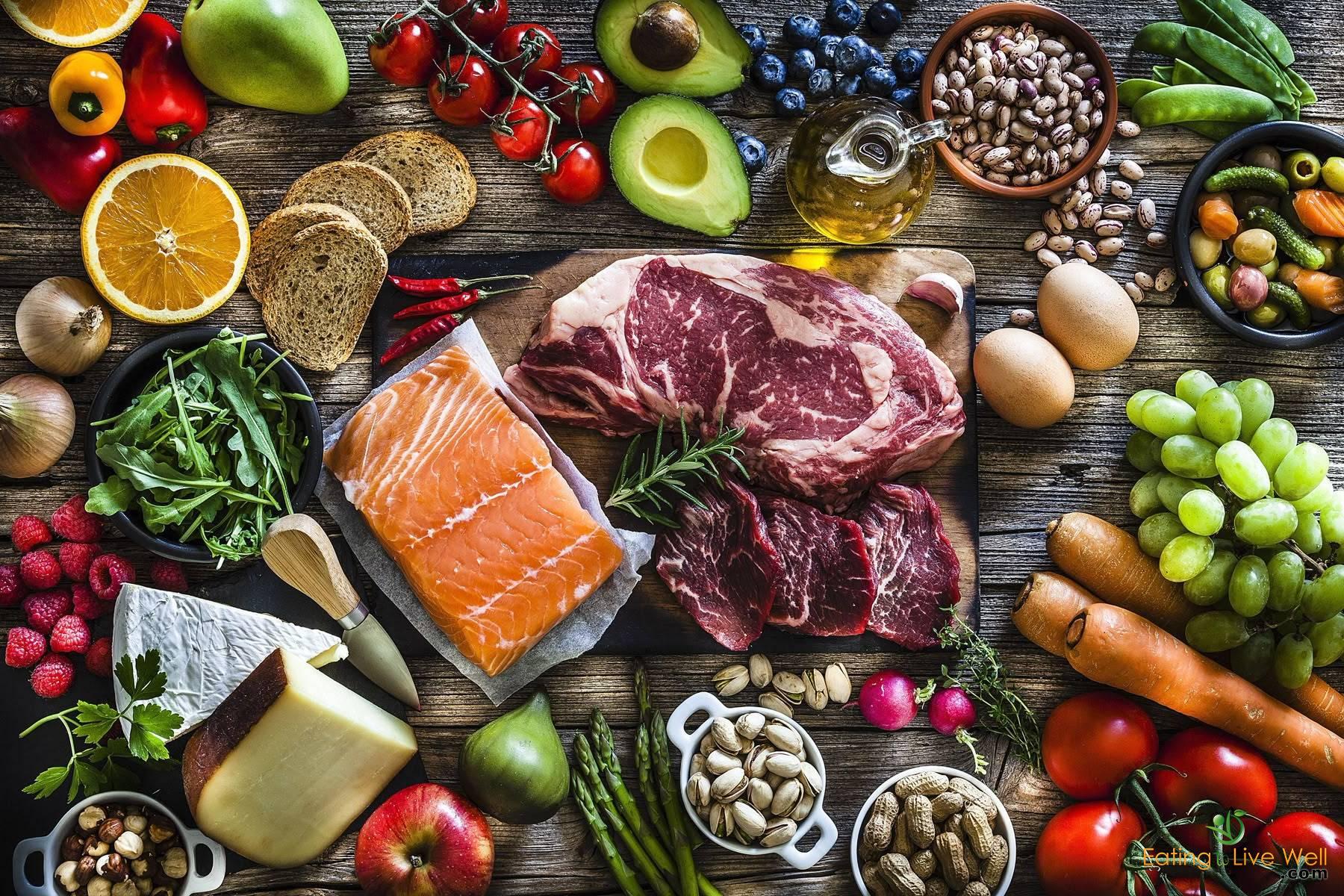
While many factors influence inflammation, including stress, sleep, toxins, and physical activity, diet plays a major role. Certain foods may promote inflammatory pathways in the body, especially when consumed frequently and in large amounts.
According to functional health practitioners like Dr. David Jockers, reducing inflammatory foods while emphasizing whole, nutrient-dense foods may help support better overall health and recovery.
Excess sugar intake is one of the most commonly discussed dietary contributors to inflammation.
Highly processed sugars may:
Common sources include:
Research has linked excessive sugar intake to higher inflammatory markers and increased chronic disease risk.
Refined carbohydrates such as white bread, pastries, and many packaged cereals are rapidly digested and can contribute to blood sugar fluctuations and inflammation in some individuals.
Unlike whole grains, refined grains are stripped of much of their fiber and nutrients during processing.
Highly processed vegetable oils, including:
are common in fast food and ultra-processed products. Some researchers suggest that excessive intake of omega-6-rich processed oils, especially when paired with low omega-3 intake, may contribute to inflammatory imbalance.
Processed meats such as:
often contain preservatives, additives, excess sodium, and compounds formed during processing that may negatively affect health when consumed frequently.
Deep-fried foods may contain oxidized fats and compounds known as advanced glycation end products (AGEs), which have been associated with inflammation and oxidative stress.
Common examples include:
While moderate alcohol intake may fit into some lifestyles, excessive consumption can:
Ultra-processed foods often contain:
Emerging research suggests some additives may negatively affect the gut microbiome and intestinal barrier in susceptible individuals.
Artificial trans fats, once common in processed foods and margarine, have been strongly associated with inflammation and cardiovascular disease risk. Many countries have restricted their use, but small amounts may still appear in processed products.
Not everyone reacts negatively to dairy or gluten. However, some individuals may experience digestive symptoms, skin issues, congestion, or inflammation-related symptoms from these foods.
Sensitivity varies greatly from person to person, and blanket elimination is not necessary for everyone.
Fast food often combines multiple inflammatory triggers in one meal:
Frequent consumption has been linked to poorer metabolic and cardiovascular health outcomes.
Rather than focusing only on restriction, many experts recommend emphasizing anti-inflammatory whole foods such as:
Patterns like the Mediterranean diet are consistently associated with lower inflammatory markers and improved long-term health.
Inflammation is influenced by more than food alone. Chronic stress, poor sleep, inactivity, smoking, environmental toxins, and lack of recovery can all contribute to inflammatory burden.
Supporting overall health often requires a full lifestyle approach, not just dietary changes.
Inflammatory foods are not usually about one single ingredient or occasional indulgence. The bigger concern is the long-term pattern of highly processed, nutrient-poor eating combined with other lifestyle stressors.
Reducing ultra-processed foods and prioritizing whole, nutrient-dense meals may help support better energy, digestion, immune function, and overall wellness over time.
While many factors influence inflammation, including stress, sleep, toxins, and physical activity, diet plays a major role. Certain foods may promote inflammatory pathways in the body, especially when consumed frequently and in large amounts.