
The Mediterranean diet has earned its reputation as one of the healthiest eating patterns in the world. Rich in vegetables, fruits, legumes, whole grains, fish, and heart‑healthy fats, it's been linked to lower rates of heart disease, improved metabolic health, and even reduced risk of certain cancers.
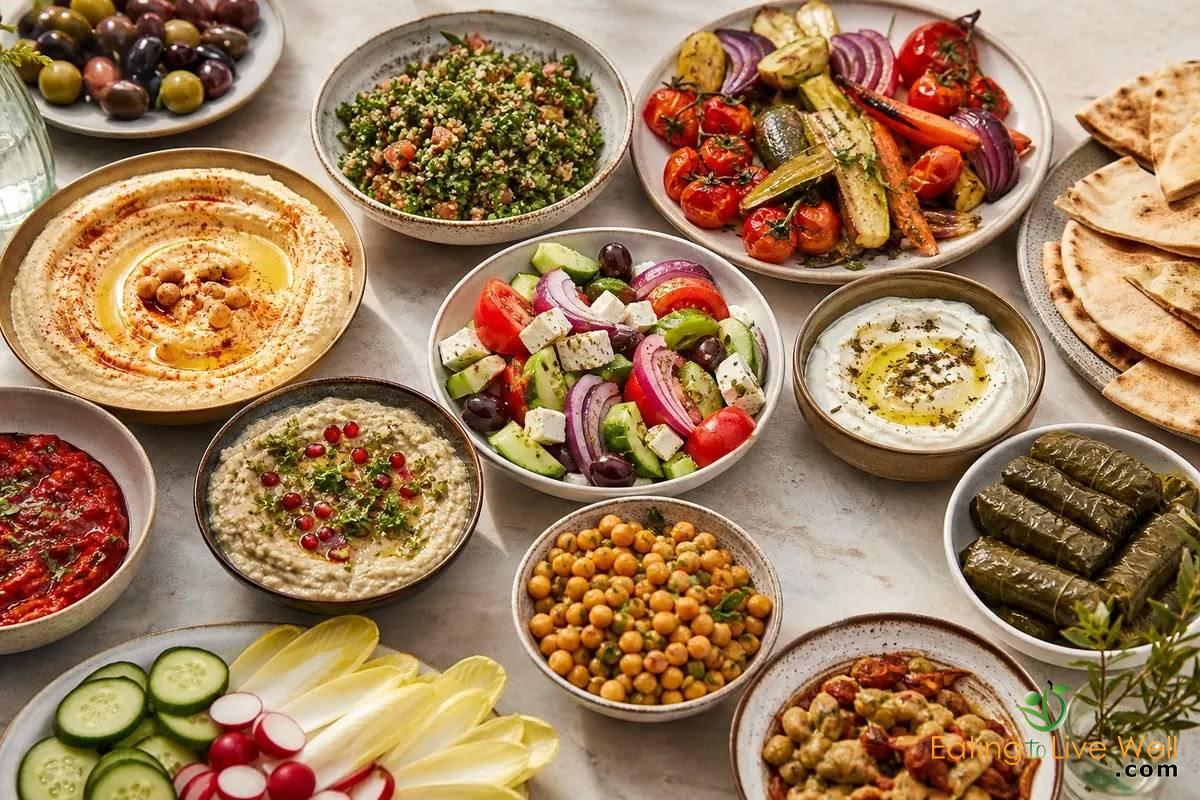
But here's the part many people don't realize: you can follow a Mediterranean-style diet and still struggle with weight gain or stalled progress if a few common habits creep in.
Below are seven mistakes dietitians frequently see and how to fix them so you can get the full benefit of this nourishing way of eating.
Olive oil, nuts, seeds, and avocado are staples of the Mediterranean diet and they're incredibly good for you. But they're also calorie-dense.
A couple of extra tablespoons of olive oil or a handful of nuts can easily add hundreds of calories without making you feel any fuller.
The fix:
Measure fats until you get a feel for portions. A drizzle is rarely just a drizzle.
Foods like nuts, cheese, olives, and oils are nutritious, but they pack a lot of calories into small servings.
The fix:
Pair calorie-dense foods with low-calorie, high-volume foods like vegetables, leafy greens, and fresh fruit to keep meals balanced.
White bread, white pasta, and pastries are common in Mediterranean cuisine but they're not the foundation of the diet. Refined grains lack the fiber and protein that help keep you full, which can lead to overeating.
The fix:
Choose whole grains most of the time: quinoa, buckwheat, barley, wild rice, millet, whole-grain pasta, or sprouted bread.
Wine is often associated with Mediterranean living, but moderation is key. Alcohol adds calories quickly and can impact sleep, appetite, and metabolism.
The fix:
Stick to recommended limits or reduce alcohol intake altogether if weight loss or metabolic health is a priority.
The Mediterranean diet includes fish, legumes, yogurt, and poultry but some people unintentionally fall short on protein. Low protein can leave you hungrier and make weight management harder.
The fix:
Include a quality protein source at every meal: Greek yogurt, lentils, chickpeas, fish, eggs, or poultry.
Hummus, nuts, pita, and dips are delicious and easy to overeat. Snacking without intention can push you into a calorie surplus even if the foods are nutritious.
The fix:
Pre-portion snacks or pair them with veggies to keep calories in check.
A meal that's mostly carbs or mostly fat won't keep you satisfied for long. Balanced meals help regulate hunger, energy, and cravings.
The fix:
Build meals in this order:
Even though it's incredibly healthy, the Mediterranean diet isn't inherently low-calorie. Weight loss still requires a calorie deficit meaning you need to burn more calories than you consume.
The good news? Small tweaks can make a big difference.