
Salads are often seen as a healthy go-to meal, but did you know that simple leafy greens alone don't provide much fiber? In fact, many popular salad bases like spring mix or romaine lettuce offer only about 1 gram of fiber per cup, far below what most of us need each day.
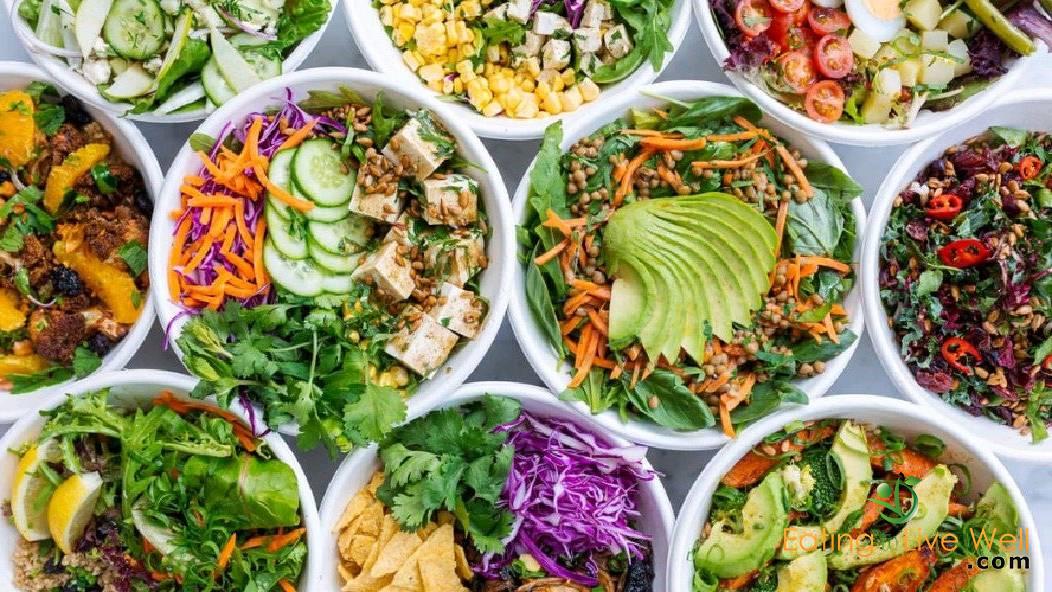
Fiber is essential for digestive health, heart health, blood sugar control and overall well being, yet most people fall short of the recommended daily intake. Luckily, with a few strategic additions, you can easily transform your salad into a fiber-packed meal that keeps you satisfied and nourished.
Here are six dietitian-recommended ingredients that will supercharge your salads with fiber:
Nuts and seeds are small but mighty, they add crunch, flavor and a solid fiber boost to any salad.
Pro tip: Sprinkle seeds on top of your salad or mix them into your dressing for extra texture and nutrition.
Beans, peas and lentils are salad powerhouses. They not only provide fiber, but add protein and make your meal more filling.
Try this: Add chickpeas, kidney beans or cooked lentils to your next salad for a hearty, satisfying boost.
Fruit isn't just for snacks it also makes a delicious, fiber-rich topping for salads.
Fruit brings natural sweetness and color contrast to salads, making them more visually appealing and flavorful.
Creamy and nutritious, avocado is a fiber champ.
Serving idea: Dice avocado into a salad, mash it into a dressing, or add a scoop of guacamole on top for both flavor and fiber.
Quinoa is a nutritious whole grain that blends beautifully with salad greens and veggies.
It also provides complex carbs and protein, making your salad more filling and balanced.
Most salad greens are low in fiber, but there are plenty of veggies that pack more punch:
These can be eaten raw, roasted or lightly steamed and add fiber, texture and nutrients galore.
In summary: While leafy greens are a great foundation, they aren't enough on their own to hit your daily fiber goals. By adding just a few fiber-rich foods from beans and quinoa to seeds and fruit you can turn your everyday salad into a nutritious, satisfying, fiber-packed meal your body will thank you for.