
Vitamin K may not get as much attention as nutrients like vitamin C or vitamin D, but it plays a critical role in overall health. This fat-soluble vitamin is essential for proper blood clotting, bone strength, heart health, and calcium regulation throughout the body.
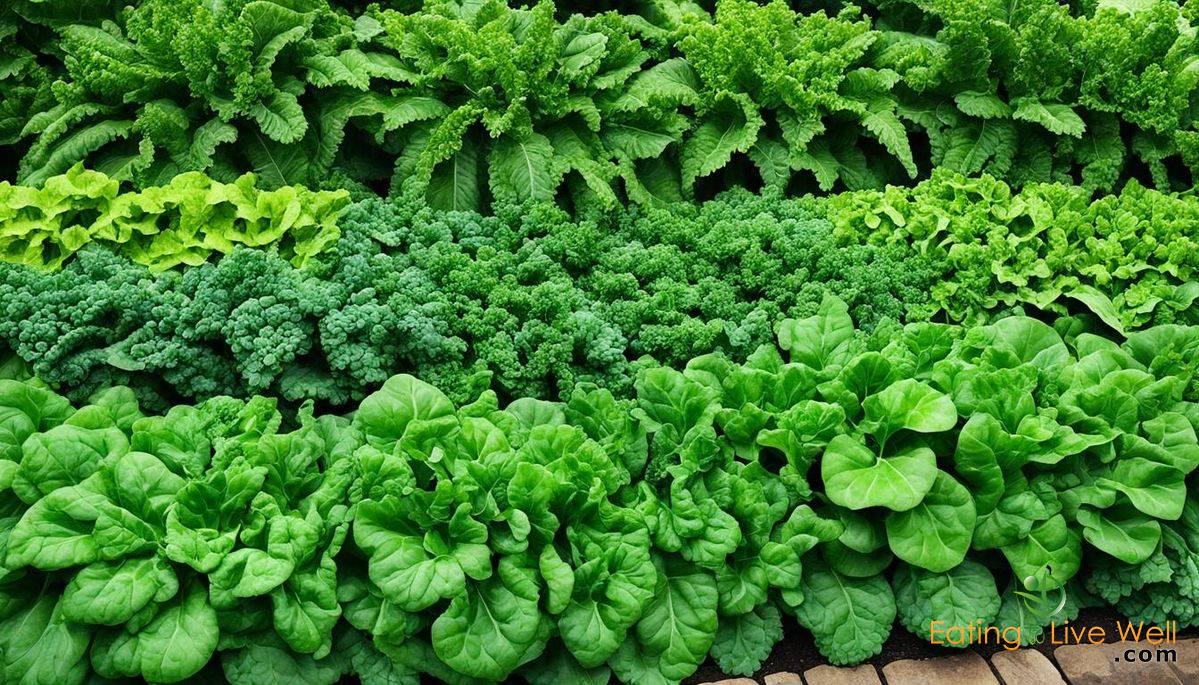
There are two main forms of vitamin K:
According to dietitians, most adults should aim for approximately:
Here are some of the best vitamin K-rich foods to include in your diet.
Swiss chard ranks among the richest sources of vitamin K. Just one cup provides significantly more than the daily recommended intake. It is also packed with:
Swiss chard works well sautéed, added to soups, or blended into smoothies.
Collard greens are another powerhouse leafy green rich in vitamin K and antioxidants. They also provide calcium and fiber that support both digestive and bone health.
Many dietitians recommend slow-cooking collards or adding them to soups and stir-fries to improve digestibility and flavor.
Brussels sprouts provide an impressive amount of vitamin K alongside:
Roasting Brussels sprouts may help preserve nutrients while enhancing flavor
Spinach is one of the most versatile vitamin K-rich foods available. Whether eaten raw in salads or cooked into meals, it delivers:
Because vitamin K is fat-soluble, pairing spinach with healthy fats like olive oil or avocado may improve absorption.
Turnip greens are often overlooked but provide a substantial dose of vitamin K along with calcium and fiber. They also contain antioxidants that may help support healthy aging and inflammation balance.
Prunes are not only known for digestive support, but they also provide vitamin K and compounds linked to bone health. Some studies suggest prunes may help support bone density as we age.
They make an easy snack or addition to oatmeal, yogurt, and smoothies.
Broccoli contains a healthy amount of vitamin K while also delivering:
Steaming broccoli may help preserve more nutrients compared to overboiling.
Kale has become one of the most recognized superfoods for good reason. It is extremely nutrient-dense and loaded with:
Even small servings can provide well above daily vitamin K needs.
Although leafy greens dominate the vitamin K conversation, kiwi is one of the few fruits that provides a meaningful amount. It also contains:
Kiwi can be an easy option for those looking to increase vitamin K intake without relying entirely on vegetables.
Asparagus provides moderate amounts of vitamin K alongside folate and antioxidants. It is especially popular roasted, grilled, or lightly steamed.
Vitamin K supports several critical functions in the body, including:
Emerging research also suggests diets rich in vitamin K may support heart and bone health as we age.
Because vitamin K helps regulate blood clotting, individuals taking blood-thinning medications such as warfarin should speak with their healthcare provider before making major dietary changes. Consistency in intake is often more important than avoidance.
It is also worth noting that vitamin K absorption improves when paired with dietary fat. Adding olive oil, nuts, avocado, or seeds to meals may help maximize absorption.
Vitamin K plays a major role in maintaining healthy bones, blood vessels, and overall wellness. Fortunately, many of the best sources are simple whole foods that can easily be incorporated into everyday meals.
Adding more leafy greens, cruciferous vegetables, and nutrient-dense whole foods to your diet may help support long-term health in a surprisingly powerful way.