
When we think of potassium, the banana is almost always the undisputed champion in our minds. For decades, it has been the go-to recommendation from athletes, trainers, and health labels for preventing muscle cramps and supporting heart health.
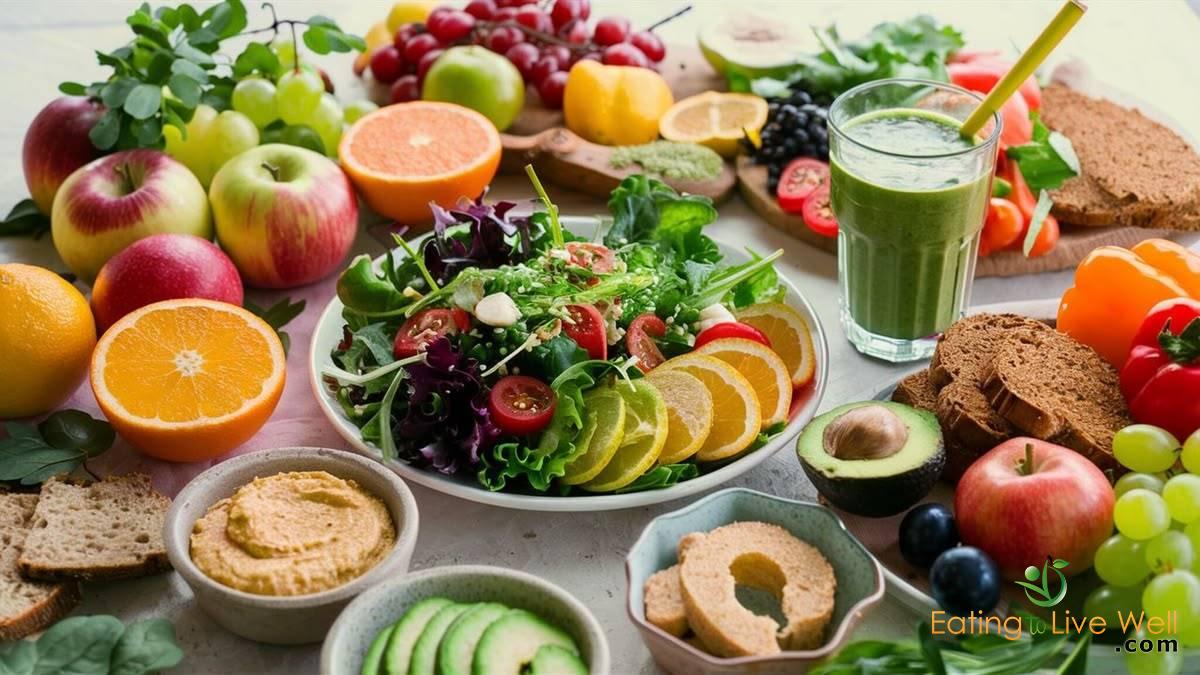
However, while a medium banana delivers a respectable amount of potassium (around 400 to 425 mg), it is far from the highest source available. Several everyday fruits, vegetables, and pantry staples quietly outperform the iconic yellow fruit, giving you plenty of delicious ways to switch up your nutrition routine.
Before looking at the alternatives, it helps to understand why this mineral is so essential. Potassium is an electrolyte that plays a vital role in:
If you are looking to boost your daily intake, here are some standout foods that pack more potassium than a standard banana:
While sweet potatoes get plenty of wellness praise, the humble white potato is an absolute powerhouse when it comes to potassium. A single medium baked potato (skin included) can deliver upwards of 900 mg of potassium, more than double the amount found in a banana.
Creamy, nutrient-dense, and loaded with healthy monounsaturated fats, avocados are another major upgrade from bananas. One whole avocado contains roughly 975 mg of potassium, easily outpacing what you'd get from a single fruit.
It might come as a surprise given its high water content, but watermelon is a fantastic source of potassium, particularly during the warmer months. Just a couple of wedges (or about 1/8th of a medium melon) can provide over 640 mg of potassium.
Leafy greens are nutritional titans, and spinach is no exception. While a raw salad portion has a moderate amount, cooking down fresh spinach concentrates the nutrients significantly. One cup of cooked spinach provides around 800+ mg of potassium (nearly double a banana).
Legumes are quiet achievers in the micronutrient department. A single cup of cooked white beans or lentils can deliver anywhere from 600 to 700+ mg of potassium per serving.
While bananas are wonderfully convenient, portable, and healthy, they don't hold a monopoly on potassium. By incorporating a diverse mix of potatoes, leafy greens, avocados, beans, and seasonal fruits into your meals, you can easily surpass your daily potassium goals while adding delicious variety to your plate.